Indigenous Fish
Small Indigenous Freshwater Fish Species
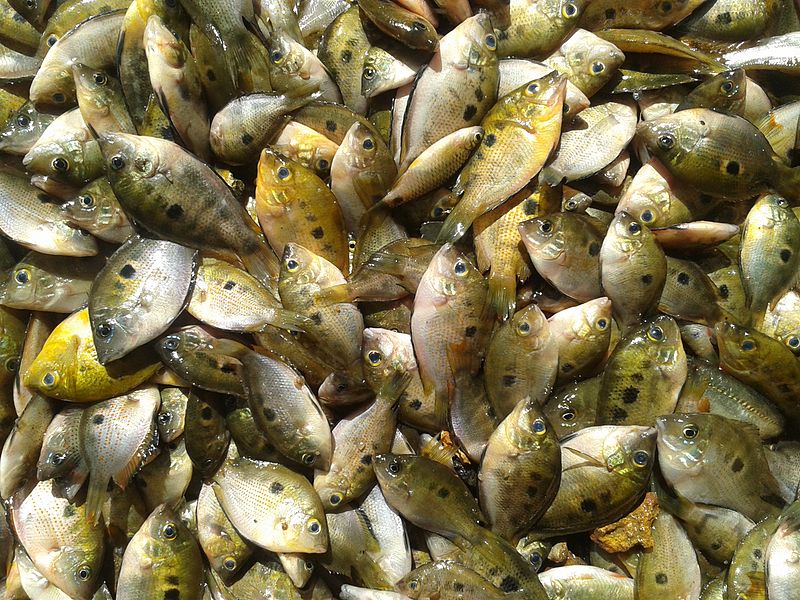
India has 8,118 kilometers of marine coastline, 3,827 fishing villages, and 1,914 traditional fish landing centers. India's fresh water resources consist of 195,210 kilometers of rivers and canals, 2.9 million hectares of minor and major reservoirs, 2.4 million hectares of ponds and lakes, and about 0.8 million hectares of flood plain wetlands and water bodies
More information
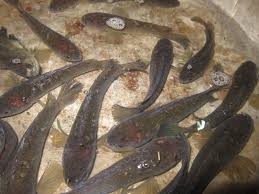
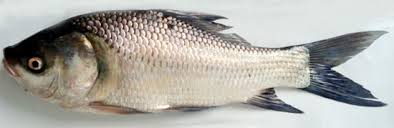
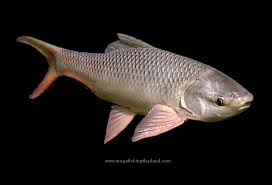
Fish are often an important ingredient in the diet of people who live in the proximity of water bodies. People have traditionally depended on various varieties of indigenous fish species, easily available from nearby water bodies, as a source of nutrition. Daniels (2002) indicates that of 750 species of freshwater fish species found in India, a large number of them are familiar only to the local population.These species are better known to the rural population due to the importance they attach to these species as a vital and affordable source of nutrition. This is not only the case in India but also in other countries in Asia such as Laos, Cambodia, Viet Nam and China (Halwart & Bartley 2005).
Small indigenous fish species of freshwater origin are not only a source of vital protein to the rural poor but also of micro-nutrients such as calcium, zinc, iron and fatty acids (Roos et al, 2007; Halwart, 2008). Indigenous knowledge about these species and about their health benefits is high among rural population. For example, such speciesare often considered an essential part of the diet of pregnant women and lactating mothers. Research has proved that the bioavailability of calcium from these small indigenous freshwater fish species is at par with that derived from milk (Roos et al., 2007).
In conclusion ...
Significant production of small indigenous fish species of freshwater origin, from culture and capture fisheries, is reported from several water bodies. That these species tend to be sold and consumed locally could be one of the reasons why they remain invisible in national statistics—such statisticsare largely based on catches reported at large/major landing centres (Halwart,2008; Roos, 2007). This invisibility in statistics could account for their poorrecognition in fisheries and aquaculture development policies.